Couples & relationships
When to Seek Marriage Counseling and Why
Published 5 min read

By the CGO Clinical Team
Licensed counselors and social workers in Springfield, MO · Meet the team
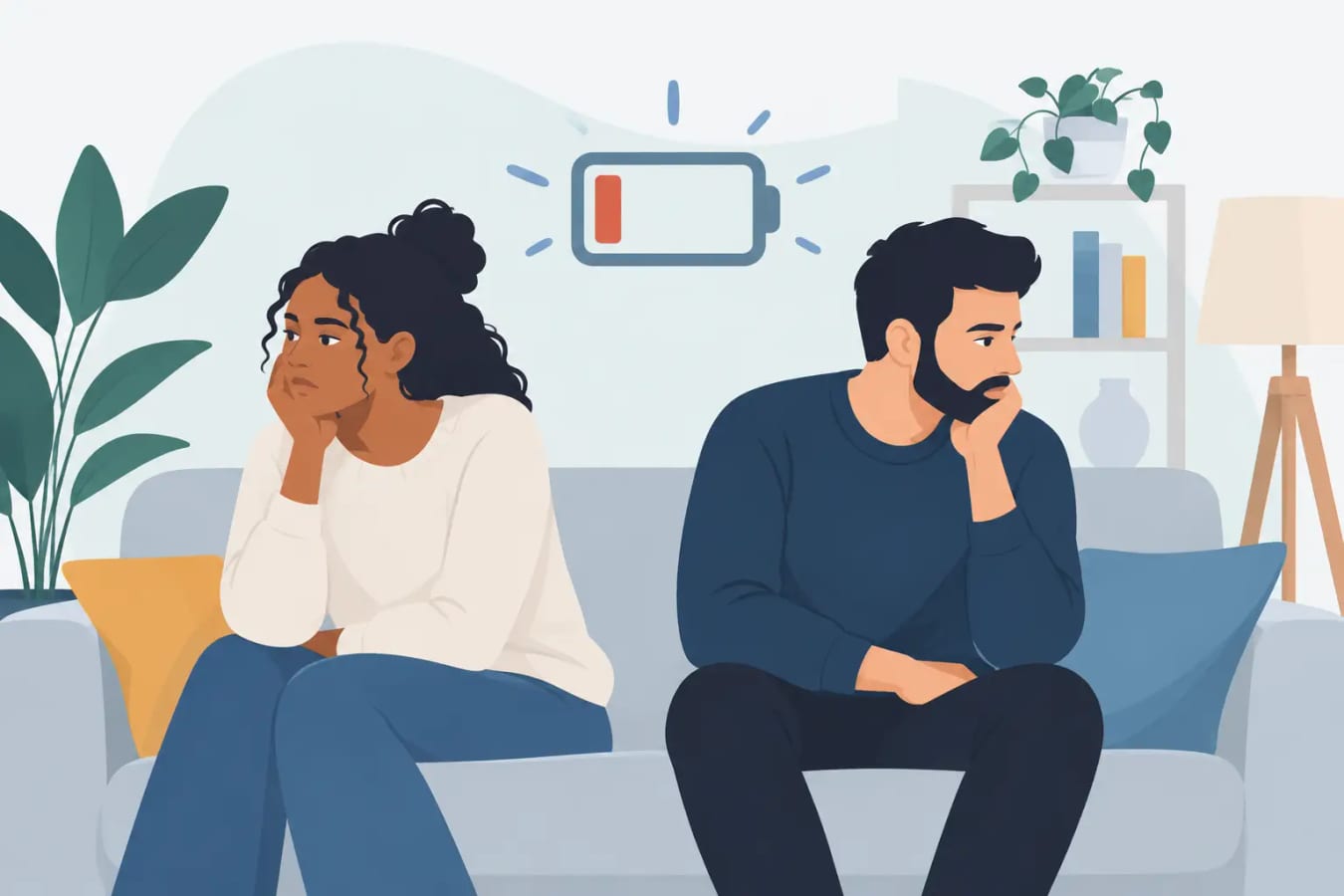
The argument may begin over dishes, spending, or who forgot to text back. But what hurts is often deeper: the feeling that you are no longer on the same team. Knowing when to seek marriage counseling can be difficult because many couples hope a rough season will pass on its own. Sometimes it does. Other times, waiting allows distance, resentment, or uncertainty to become more entrenched.
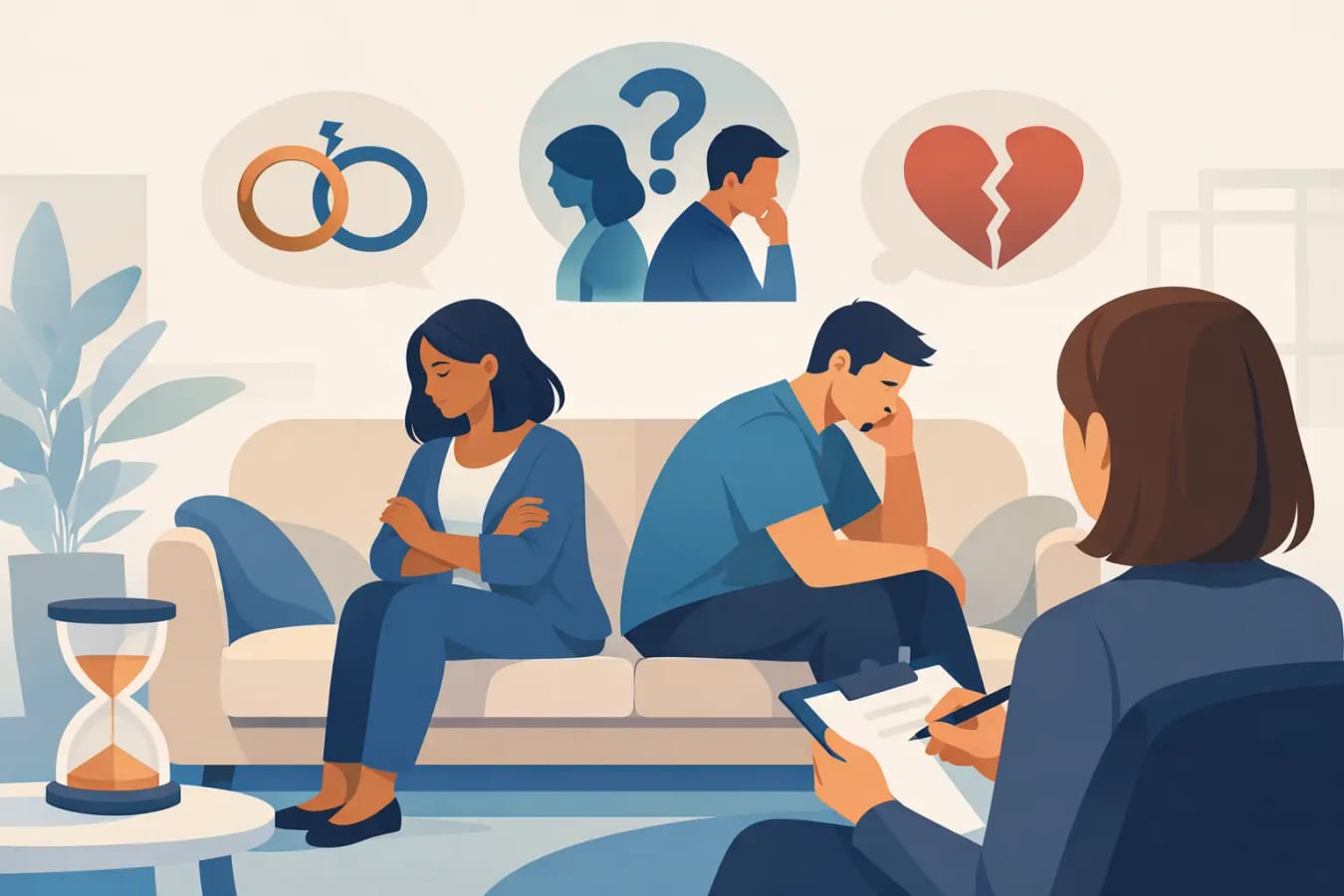
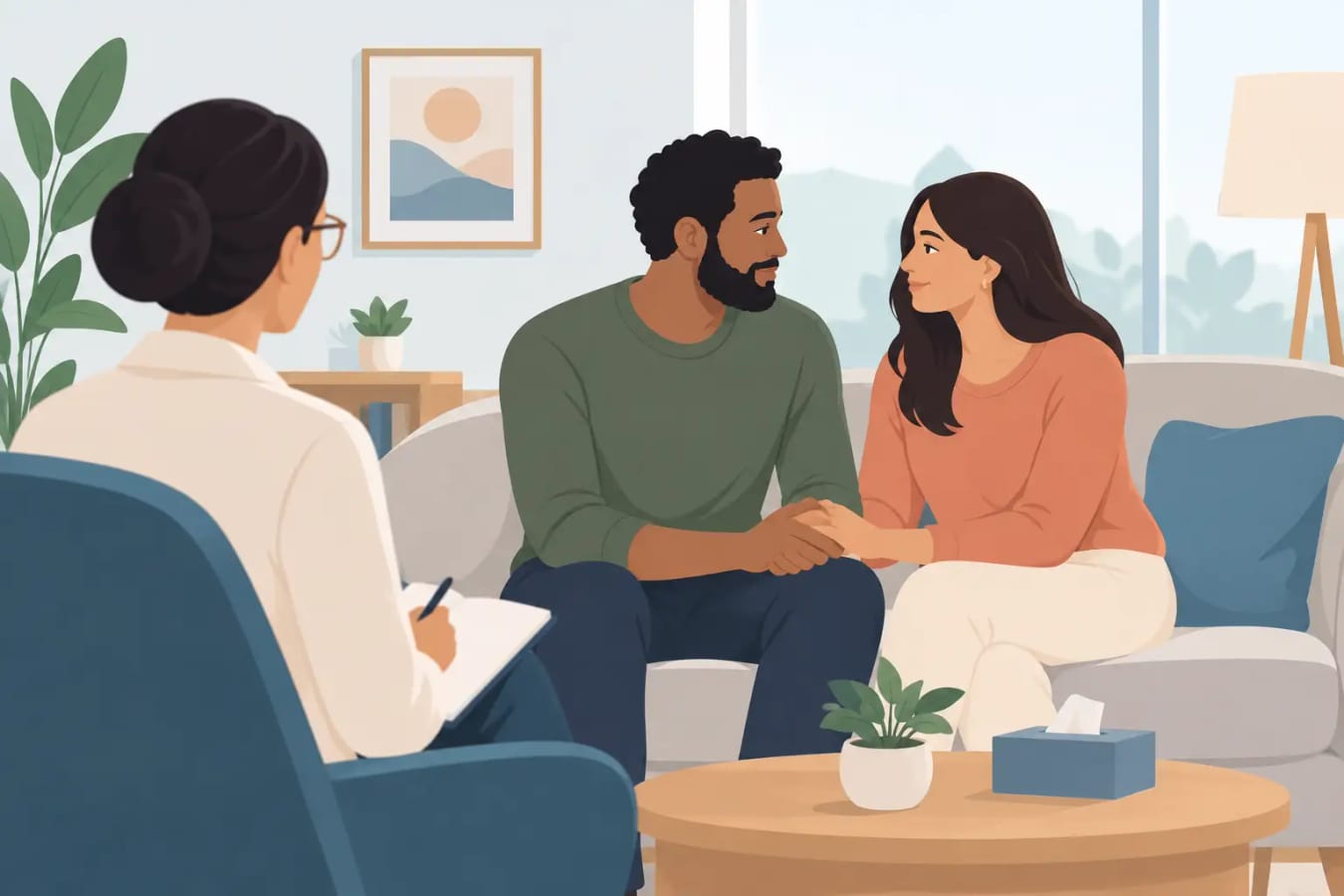
Seeking support does not mean your marriage has failed or that either partner is the problem. It can be a practical, courageous choice to understand what is happening between you, make room for each person's experience, and decide what healing could look like. Counseling offers a structured space where both people can be heard with dignity.
Marriage counseling is not only for a crisis
Many people picture couples counseling as a last step before separation. While it can be helpful during a serious crisis, it is often most effective when couples seek support before communication has completely broken down. You do not need to prove that your relationship is struggling badly enough to deserve care.
A therapist can help couples address recurring patterns, life transitions, unmet needs, and old hurts that keep resurfacing. The goal is not to determine who is right. It is to better understand the cycle you are caught in and create healthier ways to respond to one another.
Signs it may be time to seek marriage counseling
You keep having the same fight
A disagreement about money, family, parenting, intimacy, or household responsibilities can become a familiar script. One person may pursue the conversation while the other shuts down. You may both leave feeling misunderstood, blamed, or alone, only to repeat the same conflict days later.
Recurring arguments are not necessarily a sign that a relationship is beyond repair. They do suggest that the current way of communicating is not getting either of you where you want to go. Marriage counseling can help you slow the pattern down, identify what is underneath the conflict, and practice speaking and listening differently.
Emotional distance has become the norm
Some couples do not fight much at all. Instead, they gradually stop sharing the parts of themselves that matter. Conversations become mostly logistical: work schedules, bills, children, errands, and dinner. You may live together while feeling emotionally separate.
Distance can develop after stress, grief, a major life change, or years of putting the relationship last. It can also be a way of protecting yourself after repeated disappointment. A counselor can help you explore that distance without forcing false closeness, giving each partner a safer way to name what they miss, need, and fear.
Trust has been damaged
Trust can be harmed by an affair, secrecy, dishonesty, financial choices, broken agreements, or patterns of emotional withdrawal. The impact often extends beyond the original event. The injured partner may feel anxious or hypervigilant, while the other may feel ashamed, defensive, or unsure how to make meaningful repair.
Rebuilding trust takes more than promises to do better. It usually requires honest conversations, consistent actions over time, and clear boundaries that both people understand. Counseling cannot erase what happened, but it can provide support as you decide whether and how repair is possible.
Intimacy feels pressured, absent, or painful to discuss
Physical and emotional intimacy changes across a long-term relationship. Stress, health concerns, parenting, trauma, aging, medication, desire differences, and unresolved conflict can all affect connection. Avoiding the topic may feel easier in the moment, yet silence can deepen rejection, shame, or loneliness.
A couples therapist can help create language for sensitive conversations without treating either person's needs as more important than the other's. The aim is mutual understanding, consent, and connection, not pressuring someone to perform or agree.
A major transition is straining the relationship
A new baby, blended family, job change, move, illness, caregiving responsibilities, loss, retirement, or changes in faith can shift the balance of a marriage. Even positive changes can bring stress and expose differences in expectations.
Counseling can be useful when you love each other but feel unprepared for the season you are in. Rather than waiting for frustration to harden into resentment, you can learn to make decisions together, clarify roles, and protect your relationship while life is demanding more from both of you.
When to seek marriage counseling if one partner is unsure
It is common for one person to feel ready for counseling before the other. The reluctant partner may worry about being blamed, judged, or pushed toward a decision they are not ready to make. Those concerns deserve respect.
You can explain your wish for counseling as an invitation rather than an ultimatum: you want help understanding each other and improving the relationship, not help winning an argument. If your partner still declines, individual counseling can offer valuable support. It can help you clarify your needs, recognize your role in difficult patterns, set boundaries, and decide what you want to do next.
Couples counseling works best when both people are willing to participate honestly, even if their level of hope or certainty is different. A first appointment does not require either person to promise that the marriage will be saved. It simply asks for enough openness to have a real conversation.
When joint counseling may not be the safest choice
Marriage counseling is not appropriate for every situation, especially when there is active abuse, intimidation, coercive control, or fear of retaliation for what is said in session. If one partner is afraid to disagree, feels monitored, is being threatened, or is experiencing physical, sexual, emotional, or financial abuse, safety needs to come first.
In those circumstances, individual support and specialized domestic violence resources are generally safer than joint sessions. If you are in immediate danger, call 911. In the United States, you can also call or text 988 for urgent mental health crisis support. You deserve help that protects your safety, autonomy, and dignity.
What a first marriage counseling session can offer
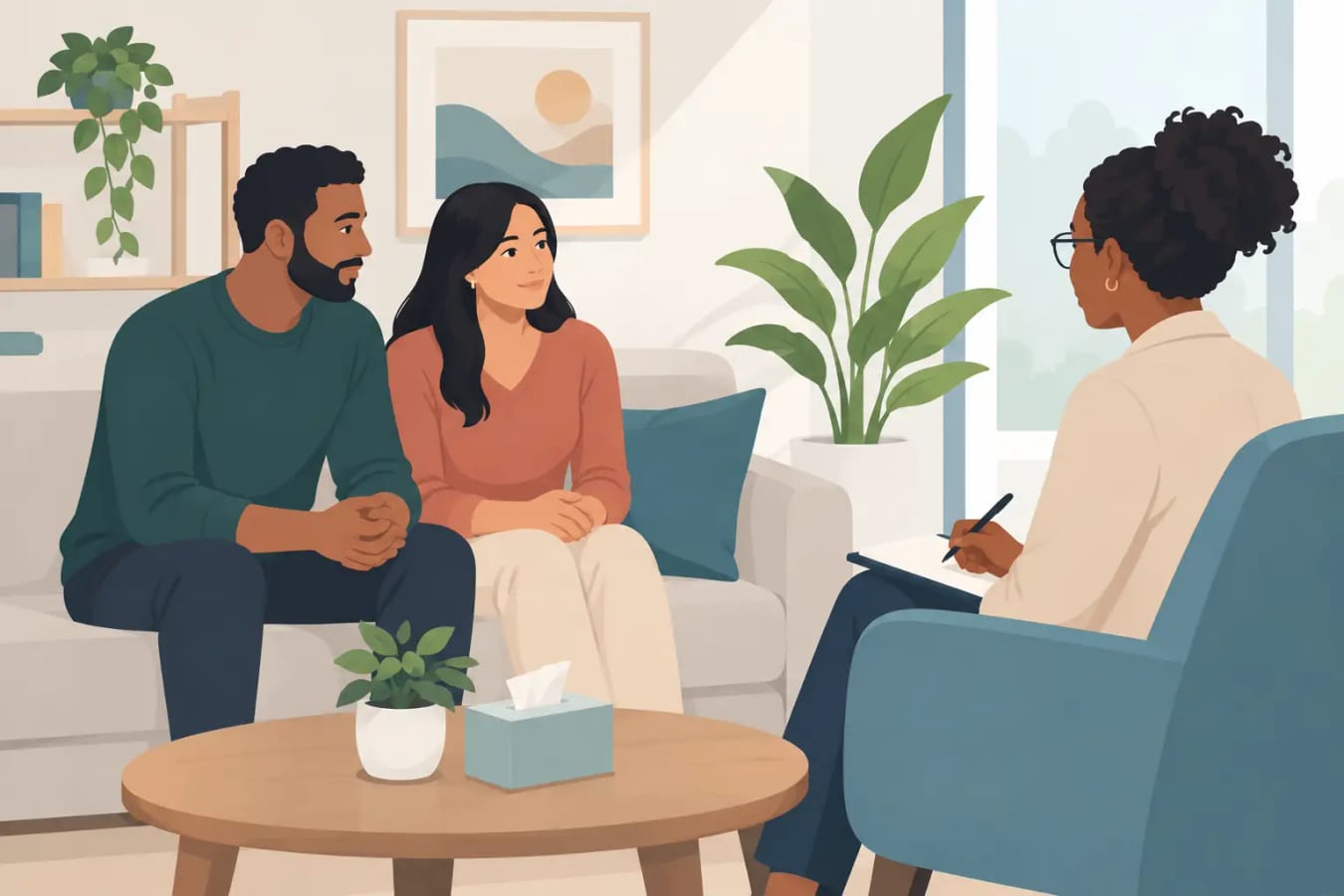
A first session is not a courtroom, and a thoughtful therapist will not ask you to immediately relive every painful detail. Early conversations usually focus on what brought you in, the strengths that still exist in the relationship, the concerns each of you carries, and what you hope could change.
You may learn that the problem is not one isolated disagreement but a cycle: criticism and defensiveness, pursuing and withdrawing, silence and assumptions. Seeing the cycle more clearly can reduce blame. From there, therapy may involve learning communication skills, making specific agreements, repairing after conflict, and exploring deeper emotions that have been difficult to share.
Progress is rarely perfectly even. Some sessions can feel relieving, while others may bring up discomfort because honest change asks people to look closely at familiar habits. A good counseling relationship makes room for that complexity and moves at a pace that respects both partners.
If your relationship feels heavier than it once did, you do not have to wait until every conversation feels impossible. Reaching for support can be an act of care for your marriage, for yourself, and for the life you are trying to build together.