Couples & relationships
Is Couple Counseling Online Effective?
Published 6 min read

By the CGO Clinical Team
Licensed counselors and social workers in Springfield, MO · Meet the team
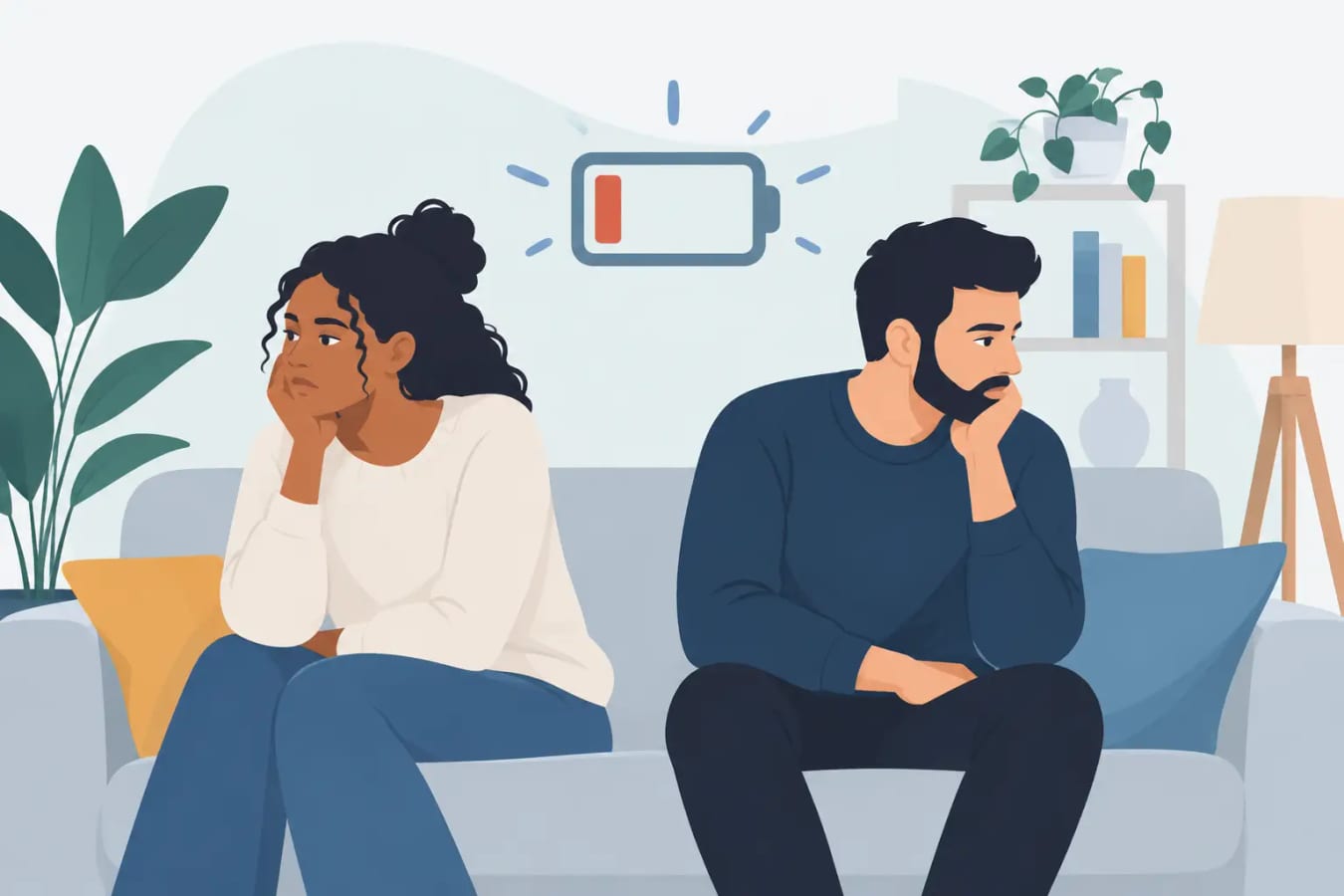
Some couples wait until every conversation turns into the same fight before reaching out. Others still care deeply about each other but feel tired, distant, or stuck. In both cases, couple counseling online can offer a practical way to get support without adding another logistical hurdle to an already stressful season.
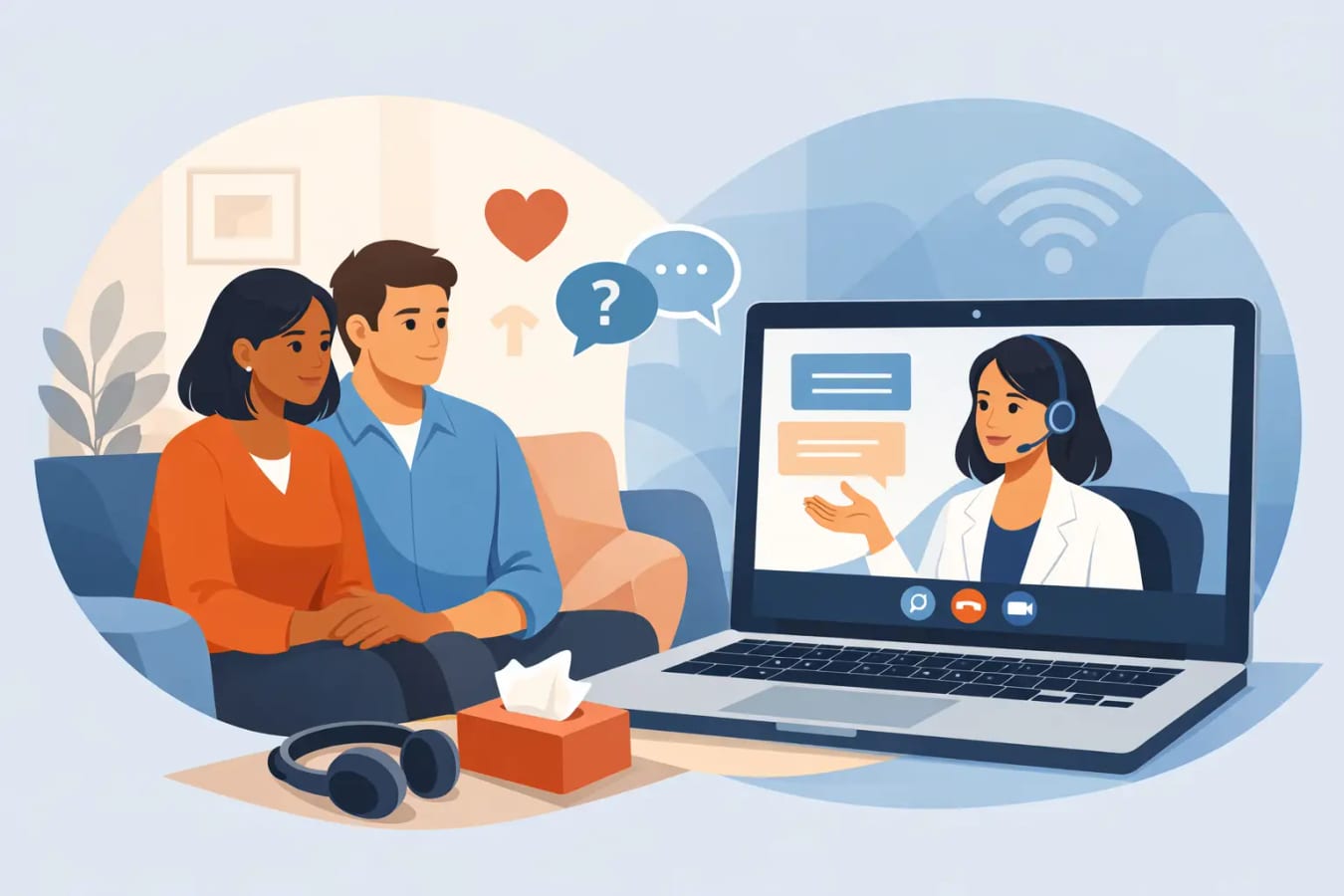
For many people, the hardest part is not deciding whether the relationship matters. It is finding a way to slow down, talk honestly, and feel heard without the discussion going off the rails again. Online therapy does not make hard relationship work easy, but it can make that work more accessible.
What couple counseling online can help with
Couples seek support for many reasons, and not all of them are on the edge of separation. Some want help after trust has been damaged. Some are struggling with communication, emotional distance, intimacy concerns, parenting stress, money conflict, or the impact of anxiety, depression, trauma, or work strain on the relationship. Others simply want to stop repeating patterns that leave both people feeling alone.
That range matters because many couples worry they are either not in enough pain to justify counseling or too far gone for it to help. Usually, neither is true. Therapy is not reserved for the worst moment. It can also be a place to understand what is happening before resentment gets harder to repair.
Online sessions can be especially helpful for couples with full schedules, shared parenting responsibilities, transportation barriers, health concerns, or long commutes. When getting to an office feels like one more obstacle, virtual counseling can lower the threshold for starting.
Is online couples therapy as effective as in-person care?
For many couples, yes. The effectiveness of online couples therapy depends less on the screen itself and more on the quality of the therapeutic relationship, the willingness of both partners to participate, and the fit between your needs and the format.
If both partners are able to join consistently, speak openly, and engage in the process, online work can be meaningful and productive. Many couples find they are actually more relaxed meeting from home. Being in a familiar setting can reduce some of the stress that comes with opening up, especially for people who already feel emotionally overloaded.
That said, online therapy is not identical to sitting together in a room with a therapist. Some nonverbal cues are easier to catch in person. Internet issues can interrupt a vulnerable moment. And if one or both partners do not have a private space, it may be harder to speak freely. These are not dealbreakers, but they are real trade-offs.
For couples in Missouri and other telehealth-eligible areas, online counseling can be a strong option when access, consistency, and comfort matter most.
What to expect in couple counseling online
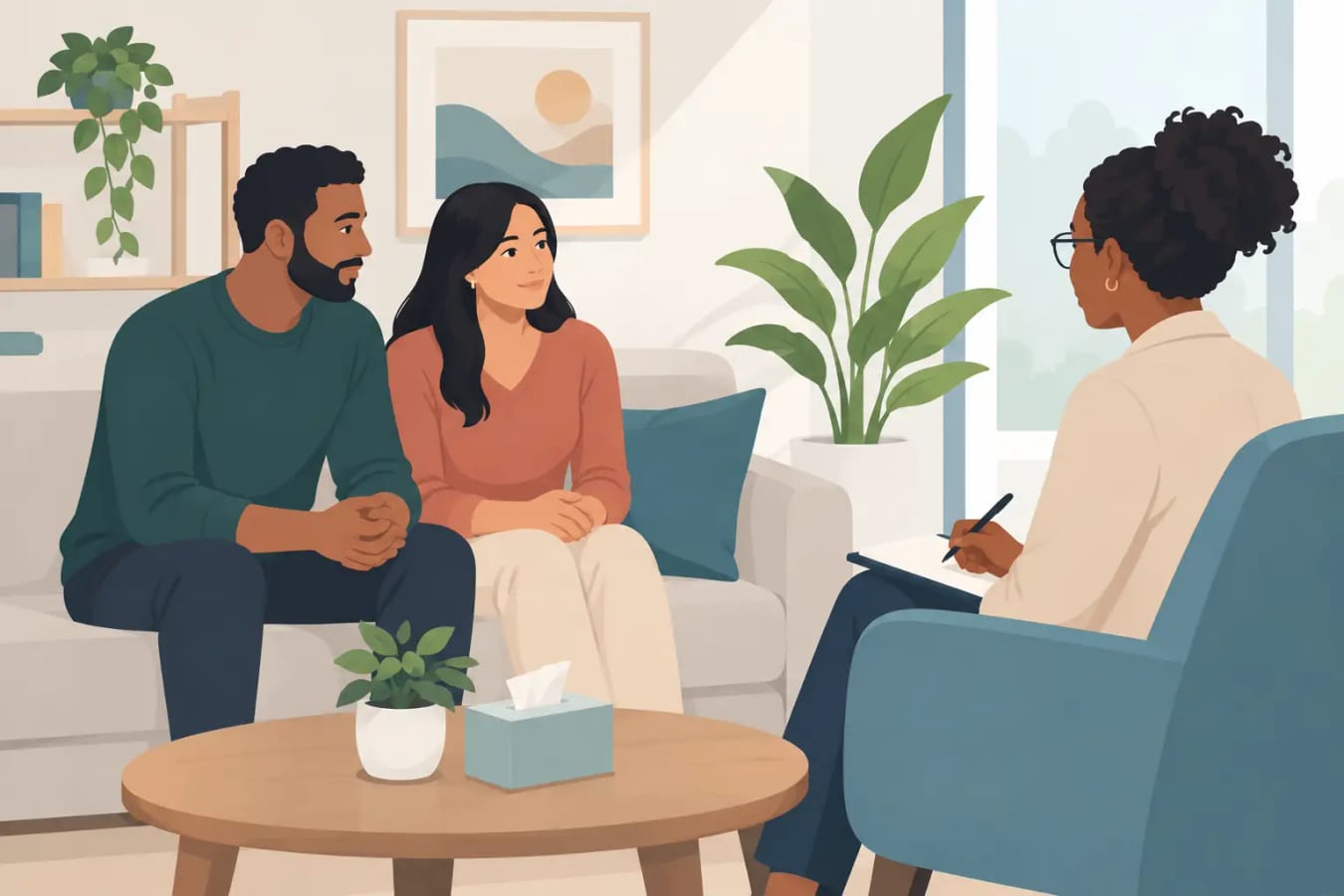
The first session usually focuses less on solving everything at once and more on understanding the relationship clearly. A therapist will often ask what brings you in, how long the problem has been building, what each person hopes will change, and what already happens when you try to talk about it on your own.
You do not need to arrive with polished language. You do not need to agree on every detail. In fact, many couples begin counseling because they cannot even agree on what the problem is. Therapy creates space for both realities to be heard.
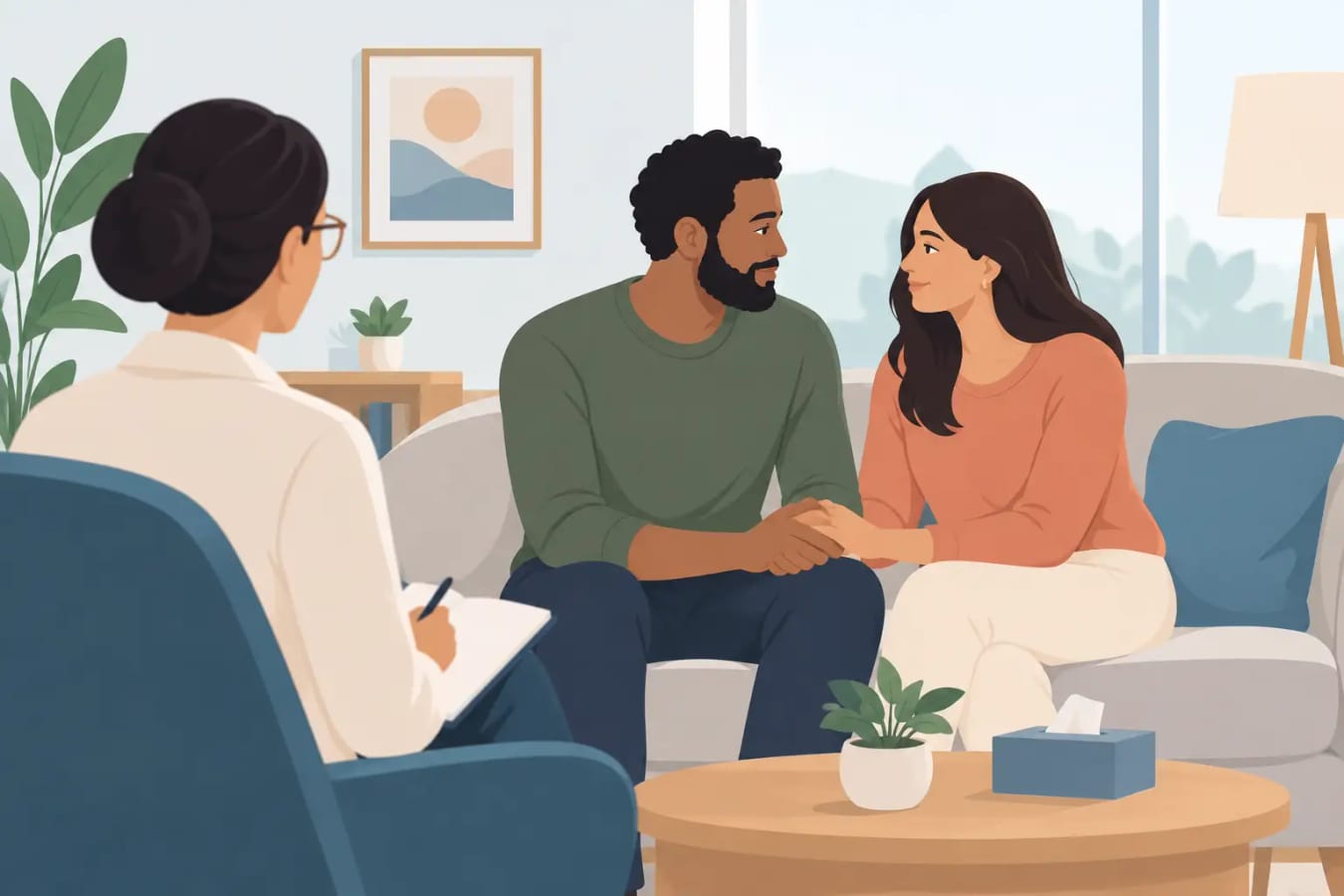
As sessions continue, the work often centers on patterns rather than isolated incidents. A therapist may help you notice how criticism leads to defensiveness, how withdrawal leads to panic, or how small disappointments carry the weight of older hurts that were never fully addressed. That kind of clarity can feel relieving because it shifts the focus from who is the problem to what keeps happening between you.
In online sessions, your therapist may also help with practical structure. That can include slowing the pace of a conflict, making sure each person has time to speak, and helping you respond to the meaning underneath the words instead of only reacting to the tone or the latest argument.
When online counseling is a good fit
Couple counseling online tends to work well when both partners want support, even if one person is more motivated than the other. It can also be a good fit when the relationship feels strained but emotionally and physically safe enough to do the work together.
It may be especially helpful if your biggest barriers are practical. Maybe your schedules rarely line up. Maybe one of you travels. Maybe you have children at home and cannot easily add drive time to every appointment. Virtual care can make it more realistic to stay consistent, and consistency matters.
There is also an emotional benefit to accessibility. When support feels easier to reach, couples are sometimes more willing to start before things become a crisis. That earlier intervention can make a real difference.
When a different level of care may be better
Online therapy is not the right fit for every situation. If there is active domestic violence, coercive control, fear of retaliation after sessions, or any situation where one partner cannot speak safely and freely, virtual couples work may not be appropriate. The same is true when severe substance use, acute mental health instability, or immediate safety concerns require a different kind of support first.
This is not a judgment. It is about protecting the people involved and choosing care that matches the level of need. Sometimes the strongest next step is individual support, crisis support, or a more structured intervention before beginning couples therapy.
A trustworthy counseling practice will take these concerns seriously and help guide you toward the safest option.
How to make couple counseling online work better
A little preparation can change the quality of a session. Try to join from a private, quiet space where you are less likely to be interrupted. Use headphones if that helps you feel more comfortable speaking openly. Log in a few minutes early so technology issues do not eat up the emotional energy you need for the session itself.
It also helps to adjust expectations. Therapy is not a live debate where the therapist declares a winner. If that is what one or both partners expect, frustration usually follows. The goal is understanding, accountability, repair, and new ways of relating.
You do not have to perform insight or stay perfectly calm. Some sessions may feel clarifying. Some may feel tender. Some may bring relief only after you have had time to reflect. Progress is often uneven at first, especially when old pain is close to the surface.
Choosing the right therapist for online couples work
Not every therapist approaches couples counseling the same way, and that matters. Look for someone who works with relationships directly, not just individual concerns. The right therapist should be able to hold both partners with fairness, warmth, and clarity while staying attentive to power dynamics, emotional safety, and each person’s dignity.
It can also help to find a clinician whose approach feels respectful of your identities, values, and lived experience. Couples do not enter therapy as blank slates. Culture, family history, race, sexuality, gender identity, faith, financial stress, and past trauma all shape how conflict is experienced and expressed. Good therapy makes room for that complexity instead of flattening it.
At Counseling Group of the Ozarks, that kind of inclusive and person-centered care is part of the work, not an extra.
A common fear: What if therapy makes things worse?
Many couples quietly worry that opening everything up will increase conflict. Sometimes therapy does bring difficult truths into clearer view. But naming what is already happening is different from creating new damage. Often, the pain is already present. Counseling gives it structure, language, and support.
There are moments when one partner realizes how hurt the other has been. There are moments when both people see a cycle they had been blaming on character instead of stress, fear, or disconnection. Those realizations can sting, but they can also be the beginning of change.
If your relationship feels fragile, that does not automatically mean it is too late. It may mean this is the right time to stop carrying it alone.
Reaching out for help is not a sign that your relationship has failed. It is often a sign that something in you still hopes for honesty, repair, and a different way forward. Whether you are trying to reconnect, rebuild trust, or simply understand what comes next, support can make the path feel less lonely.