Couples & relationships
Couple Counseling Price: What Affects Cost?
Published 6 min read

By the CGO Clinical Team
Licensed counselors and social workers in Springfield, MO · Meet the team
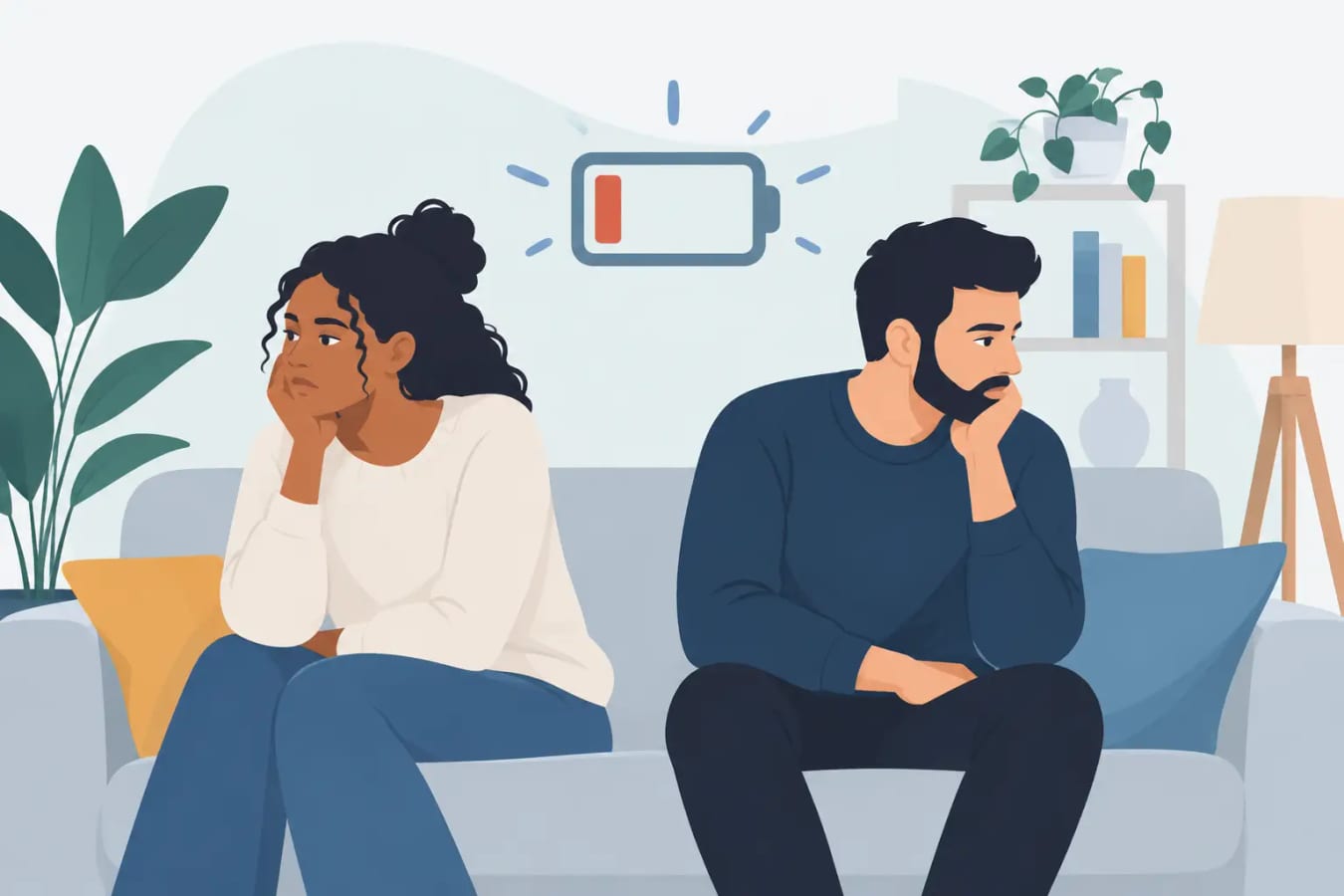
Money is often one of the first stress points in a relationship, so it makes sense that couple counseling price can feel like a tender subject too. Many couples are already carrying tension, disconnection, or repeated arguments when they start looking for support. The last thing they want is another unknown. A clearer picture of cost can make the first step feel more manageable.
What does couple counseling price usually include?
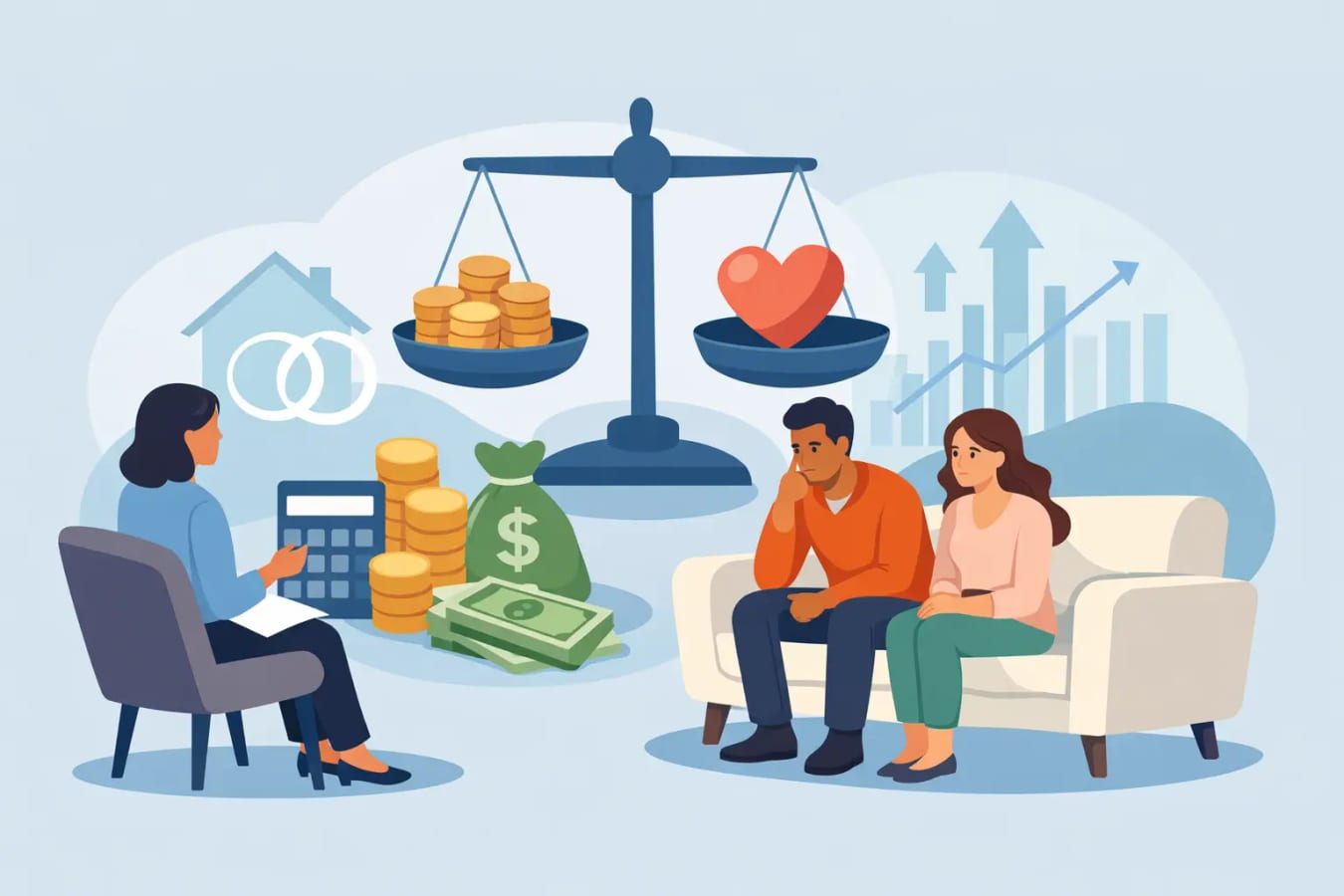
When people ask about price, they are usually asking a few questions at once. How much is each session? How long will we need to come? Will insurance help? Is online therapy less expensive? Those are all fair questions, and the honest answer is that the total cost depends on several moving parts.
In most practices, the session fee covers the therapist’s time, clinical expertise, treatment planning, and the structure needed to support consistent care. For couples work, sessions may be longer than individual therapy in some settings, or they may involve specialized training in relationship dynamics, conflict patterns, attachment, trauma, or communication repair. That can affect the fee.
It also helps to remember that the lowest fee is not always the lowest overall cost. If a couple works with someone who is not a good fit, they may spend months feeling stuck. A therapist with the right experience and approach may help the work feel more focused, even if the per-session rate is higher.
What affects couple counseling price?
Therapist training and specialization
Not every therapist approaches couples work the same way. Some primarily treat individuals and also see couples. Others have advanced training in relationship therapy models and spend much of their practice helping partners navigate trust injuries, communication breakdowns, parenting stress, intimacy concerns, or major life transitions.
That added specialization can influence fees. You are not just paying for time in the room. You are paying for how the therapist listens, guides difficult conversations, and helps both people feel heard without turning the session into a debate with a referee.
Session length and format
A standard therapy session is often around 50 minutes, but couples counseling may also be offered in longer appointments. Some therapists prefer extended sessions because it gives enough time to slow things down, understand both perspectives, and practice new ways of responding. Longer sessions usually cost more upfront, though some couples find them more productive.
Format matters too. In-office and online sessions may be priced similarly, but not always. Telehealth can reduce travel time, missed work, and child care complications, which may lower the practical cost even if the therapy fee stays the same.
Insurance coverage and billing policies
Insurance is one of the biggest variables. In many cases, pure relationship counseling is not covered the same way individual mental health treatment is covered. Some plans require a diagnosable mental health condition for reimbursement, which can make couples therapy more complicated from a billing standpoint.
That does not mean support is out of reach. It means it is worth asking clear questions about whether sessions are billed as couples therapy, whether out-of-network benefits apply, and what your financial responsibility would be. Fee transparency matters, especially when you are already under stress.
Where you live
Rates often vary by region, local demand, and the cost of operating a practice. In Missouri, for example, fees may look different from what you would see in a major coastal city. Even within the same state, prices can vary based on a therapist’s credentials, setting, and availability.
Frequency and length of treatment
The per-session fee is only one part of the picture. Some couples attend weekly at first, then move to every other week as things stabilize. Others come in around a specific problem, such as rebuilding after betrayal or preparing for marriage, and may need a shorter stretch of focused work. Some relationships involve long-standing patterns, individual trauma, or high conflict, which can take more time.
This is why asking only, "How much is one session?" can feel incomplete. A better question might be, "What kind of pace do you usually recommend, and how will we know whether therapy is helping?"
A realistic way to think about cost
Couples sometimes hesitate because therapy feels expensive, especially when finances are already tight. That feeling is real. At the same time, it can help to compare the price of counseling with the cost of staying stuck.
Ongoing conflict can affect sleep, parenting, work performance, physical health, and emotional safety at home. Disconnection can turn everyday life into something heavy and lonely. Counseling is not a guaranteed fix, and it is not magic, but it can be a practical investment in the quality of daily life.
That said, therapy should not push a household deeper into financial strain. If a fee feels unrealistic, it is okay to ask about options. Some practices offer different levels of clinician experience, telehealth flexibility, or other ways to make care more accessible. A respectful practice will understand that finances are part of real life.
How to ask about couple counseling price without feeling awkward
Many people worry they will sound rude if they ask about fees right away. You will not. In fact, clear questions often help people feel safer. Therapy works best when expectations are honest from the beginning.
You can ask how much sessions cost, how long they last, whether insurance is accepted, whether out-of-pocket rates differ for in-person versus online appointments, and how often new couples are usually scheduled at the start. You can also ask whether both partners need to be present every time or whether occasional individual sessions are part of the process.
If you are comparing practices, look for clarity rather than pressure. A good intake process should help you understand the fee structure, not make you feel embarrassed for needing straightforward answers.
When lower cost is helpful, and when it may not be the best guide
Sometimes a lower session fee is exactly what makes support possible, and that matters. Affordable care can remove a barrier that would otherwise keep couples from getting help at all. There is no shame in needing therapy to fit your budget.
Still, price alone should not be the only factor. If one partner already feels unseen, judged, or hesitant about therapy, the right fit becomes especially important. A therapist who creates emotional safety, honors both people’s identities and histories, and works with compassion can make a meaningful difference in whether the process feels useful.
The goal is not to find the most expensive therapist or the cheapest therapist. The goal is to find care that feels respectful, clinically grounded, and sustainable enough to continue.
Questions to ask before you book
Is this therapist experienced with couples?
A therapist may be excellent with individuals and still not be the best fit for relationship work. Ask about their experience helping couples with the specific concerns you are facing.
How will we know if therapy is working?
This question matters more than people think. Progress in couples therapy can look like fewer escalations, better repair after conflict, more honesty, or a stronger sense of teamwork. Naming the goals early can help you decide whether the cost feels worthwhile.
What if one of us is unsure about coming?
That hesitation is common. A skilled therapist should know how to welcome uncertainty without shaming either partner. If the first conversation feels overly rigid or dismissive, it may not be the right fit.
Are online sessions available?
For many couples, telehealth makes counseling easier to maintain. It can be especially helpful when work schedules, transportation, or parenting demands make in-office care harder to attend consistently.
Choosing care that respects both your relationship and your budget
The most helpful conversations about money are usually the ones that stay honest and gentle. If you are looking into therapy as a couple, try to treat the price discussion as part of working together rather than another point of conflict. You are not failing because cost matters. You are being responsible.
At Counseling Group of the Ozarks, that kind of care matters because people deserve support that feels respectful, affirming, and clear from the start. Whether you are exploring therapy for the first time or returning after trying it before, you deserve answers that help you make a thoughtful decision.
If you are weighing the cost of couples counseling, try not to ask only, "Can we afford this?" Ask, too, "What kind of support would help us suffer less and relate better?" Sometimes the most important part of the price is not the number itself. It is whether the help you choose makes room for repair, honesty, and hope.