Feeling Flat, Numb or Empty
Sometimes depression isn’t sadness so much as nothing at all. Therapy gives you a place to make sense of that numbness and start reconnecting with what matters to you.
Our services
Support when life feels heavy, flat or hard to get through.
Prefer to talk? Call (417) 409-3008 · Mon–Thu 9 am – 7 pm, Fri 9 am – 6 pm


A note from our practice
Depression can make everything feel heavier. Getting out of bed takes effort, things you used to enjoy feel flat, and it’s hard to explain to anyone why you’re so tired.
If that sounds familiar, you’re not lazy and you’re not failing. Eight of our clinicians work with depression, in person in Springfield and by telehealth across Missouri.
You don’t need to have it figured out before you call. We’ll start where you are.
— The Counseling Group of the Ozarks team
What we help with
The National Institute of Mental Health lists signs like these, and notes that for a diagnosis, symptoms are present most of the day, nearly every day, for at least two weeks:
Here are some of the ways it brings people to us:
Sometimes depression isn’t sadness so much as nothing at all. Therapy gives you a place to make sense of that numbness and start reconnecting with what matters to you.
Months of running on empty can wear down your mood and your motivation. Several of our clinicians focus on burnout, including Rachella, who works especially with burnt-out professionals.
A move, a breakup, a loss or a hard diagnosis can knock you off balance. Some of our clinicians focus on life transitions, grief, and coping with chronic illness and medical diagnoses.
In teens, depression can look like irritability, pulling away from friends or slipping grades. Several of our clinicians see teens, and Julie and Vince also work with younger children.
Tell us a little about what’s going on and we’ll match you with the therapist who fits you best.
How we help
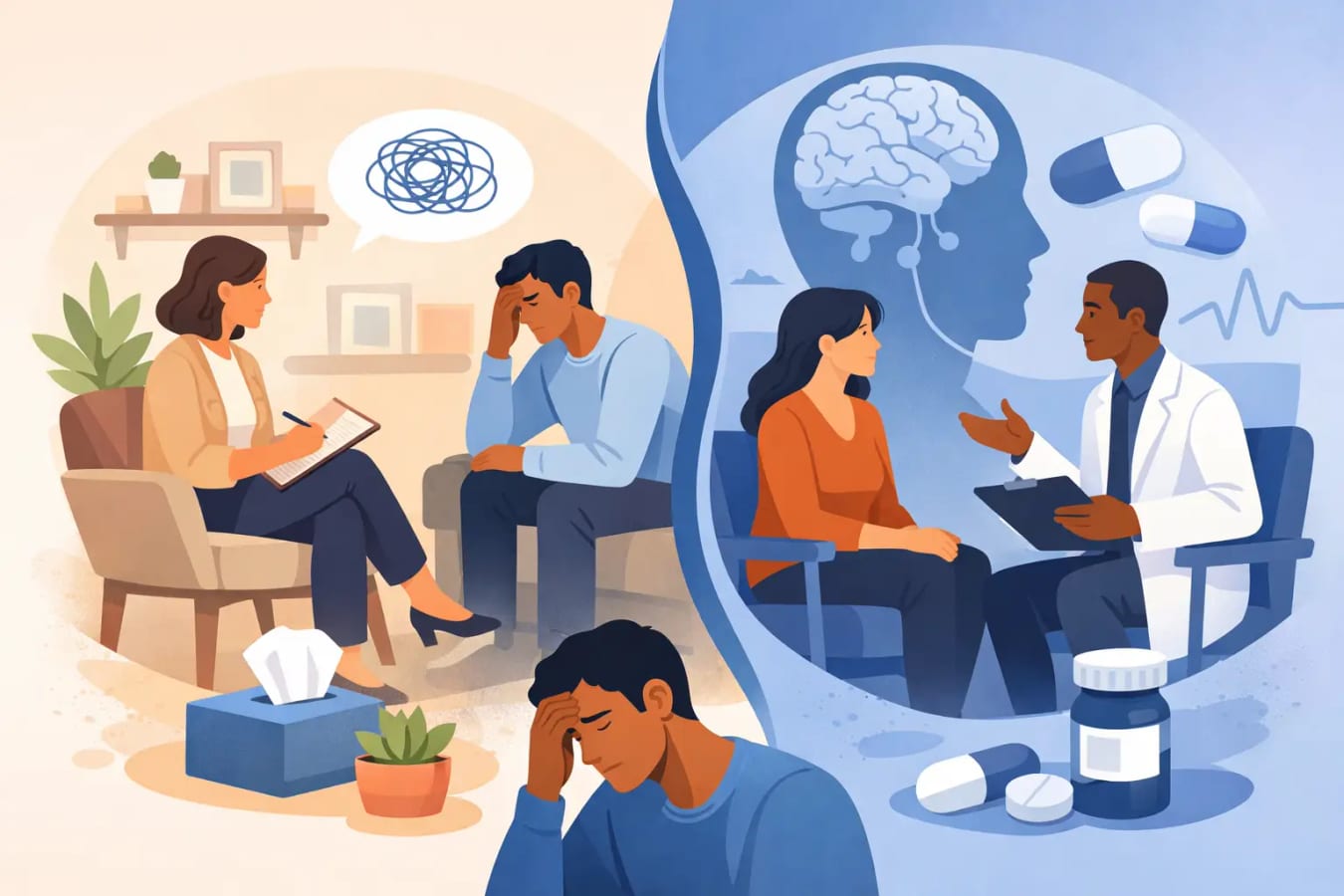
According to the National Institute of Mental Health, depression treatment usually involves psychotherapy, in person or virtual, medication, or both, and evidence-based therapies for depression include cognitive behavioral therapy.
Each clinician brings their own approach. Depending on who you work with, therapy may include:
CBT helps you notice the harsh, hopeless thoughts depression feeds you and test them against what’s actually true. LaBryon, Rachella, Katelyn, Julie, Vince and Felicia use CBT.
Amelia uses behavioral activation, which focuses on gradually adding small, meaningful activities back into your days.
LaBryon, Rachella and Felicia use person-centered therapy, which follows your lead. Felicia also uses compassion-focused therapy, and Katelyn and Amelia use Internal Family Systems (IFS).
Who we serve
Feeling comfortable with your therapist matters. Our team is diverse, and we work hard to match you with someone you can talk to.
Our clinicians provide therapy. We don’t prescribe medication. If you’re also thinking about medication, your primary care provider or a psychiatrist can talk it through with you, and therapy can continue alongside it.

During intake, we look at what’s going on, your schedule, your insurance and your preferences, and match you with the clinician who fits.
Some of our clinicians work with children and teens, using age-appropriate approaches, and with parents as partners.
You deserve to show up exactly as you are. Our team provides affirming care for LGBTQIA+ clients and culturally responsive care for BIPOC clients.
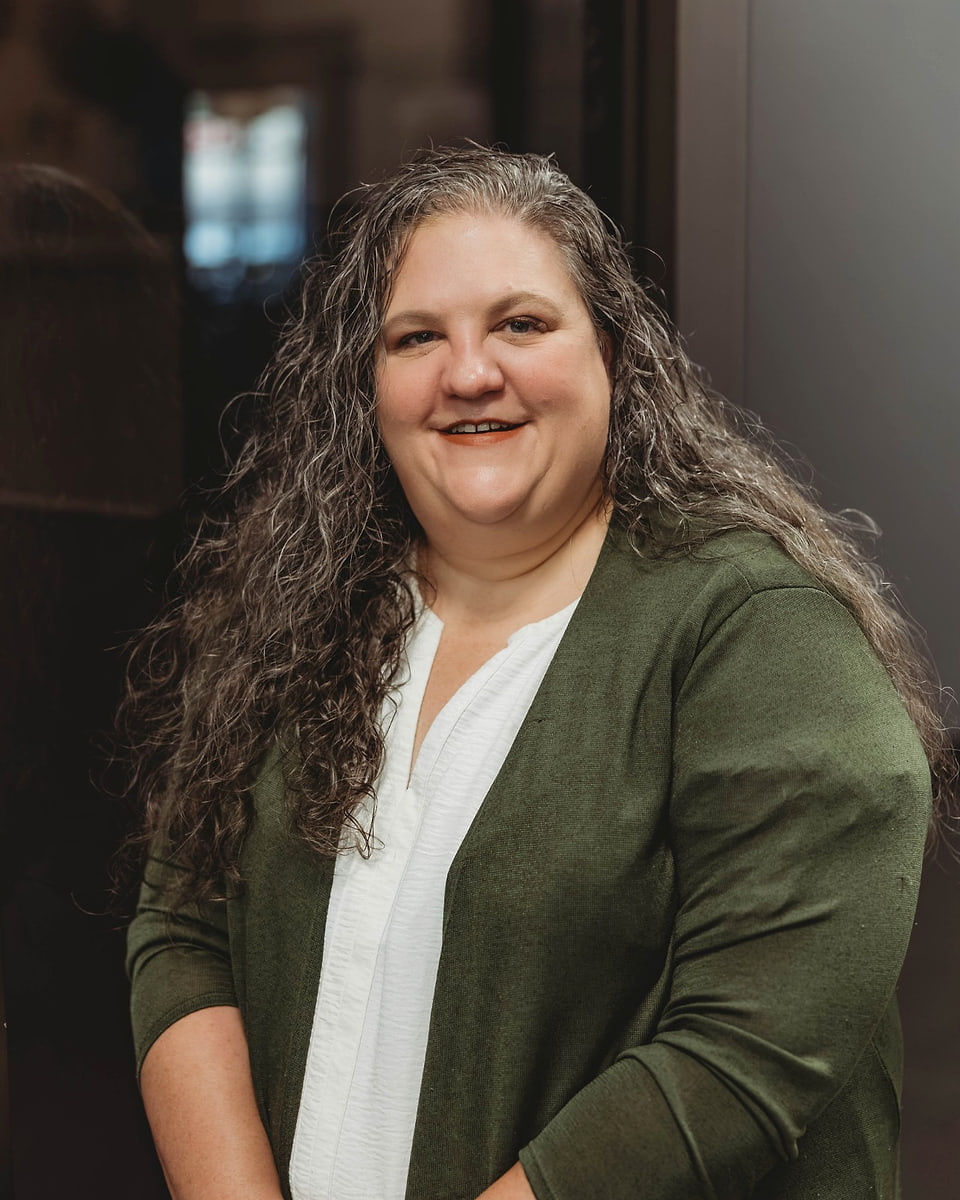
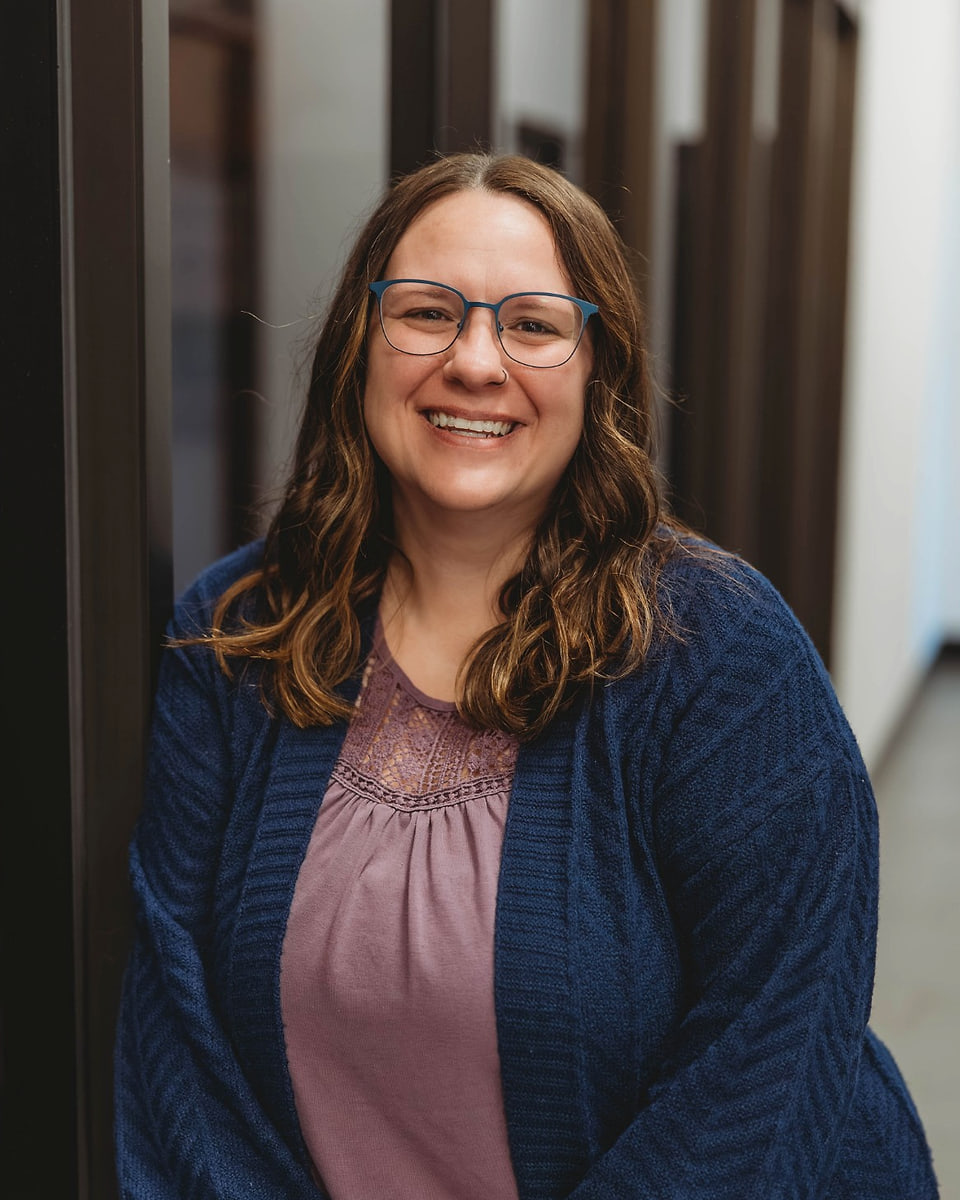
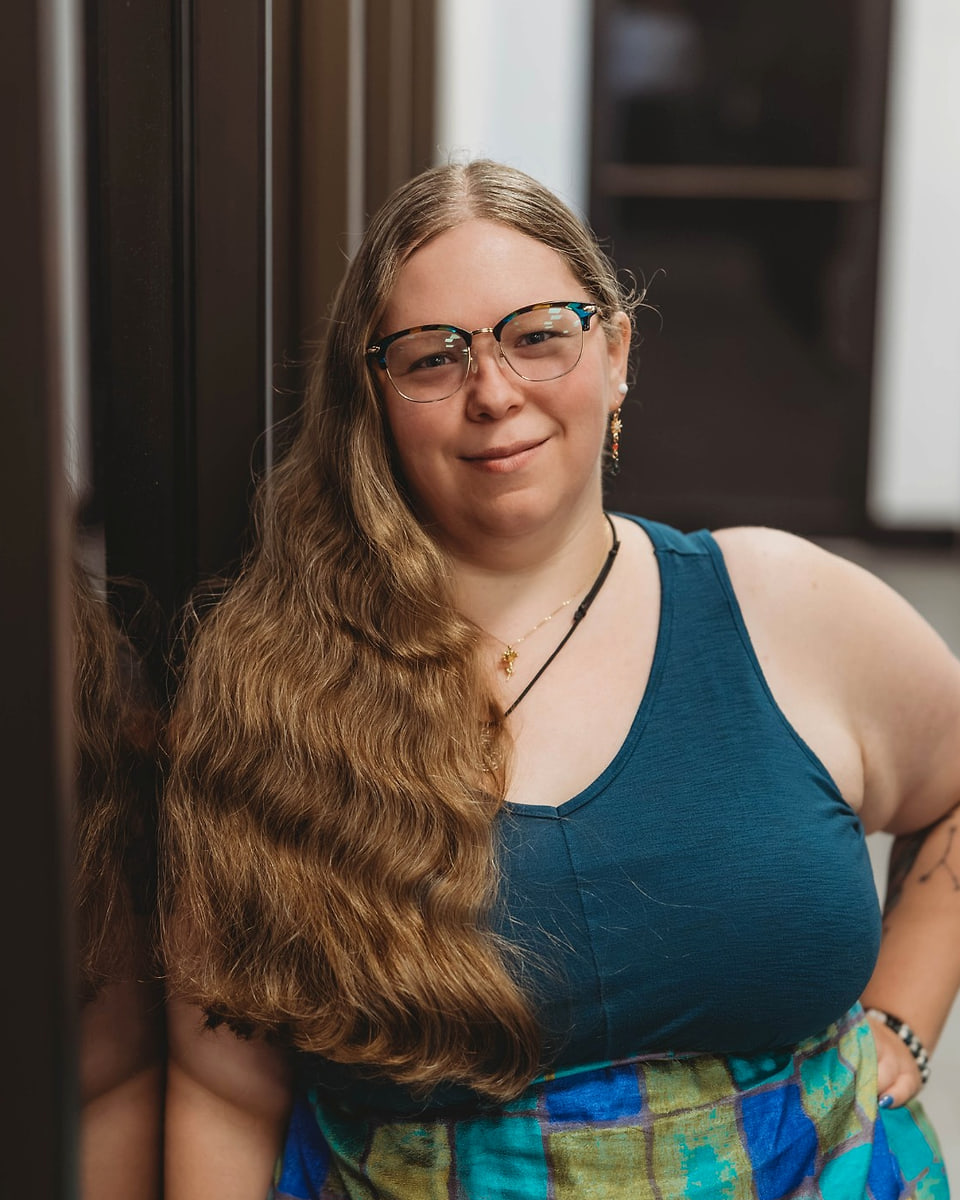
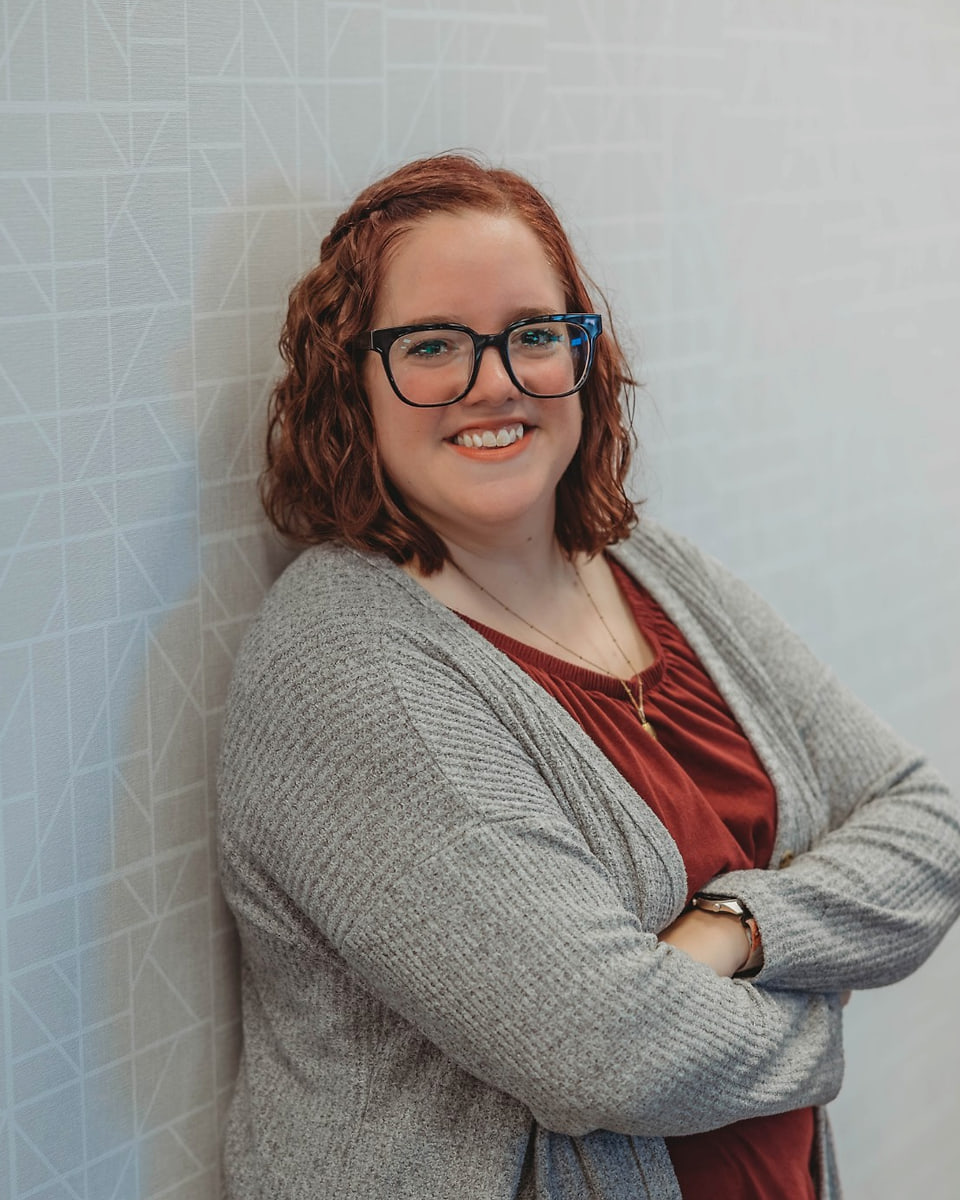
Our team
During intake, we’ll help match you with the clinician who fits your needs, schedule, and insurance.
Insurance & fees
We’re in-network with a wide range of regional and national plans, and our office will verify your benefits as a courtesy before your first visit.
Don’t see your plan? Call us — we’ll check your coverage together.
Related reading
FAQs
Have a question? Call our front desk at (417) 409-3008, Monday – Thursday 9:00 am – 7:00 pm, Friday 9:00 am – 6:00 pm.
Everyone has low days. The National Institute of Mental Health describes depression as symptoms present most of the day, nearly every day, for at least two weeks. You don’t need a diagnosis to start therapy, though. If you’re struggling, that’s reason enough to reach out.
If you’re thinking about suicide or are in crisis, call or text 988 (the Suicide & Crisis Lifeline), any time, day or night. If you’re in immediate danger, call 911.
Our clinicians provide therapy. We don’t prescribe medication. If you’re also thinking about medication, your primary care provider or a psychiatrist can talk it through with you, and therapy can continue alongside it.
Yes. You can see us in person at our Springfield office, 1736 E Sunshine St, Suite 700, or by secure telehealth anywhere in Missouri. You need to be physically in Missouri during each telehealth session.
Sources: NIMH: Depression. This page is general information, not a diagnosis or medical advice.
Your first session
When you’re depressed, reaching out can take more energy than you feel you have. You can start with a short call or the intake form, and we’ll take it from there.
If you’re thinking about suicide or are in crisis, call or text 988 (the Suicide & Crisis Lifeline), any time, day or night. If you’re in immediate danger, call 911.