Getting started
How to Prepare for Therapy
Published 7 min read

By the CGO Clinical Team
Licensed counselors and social workers in Springfield, MO · Meet the team
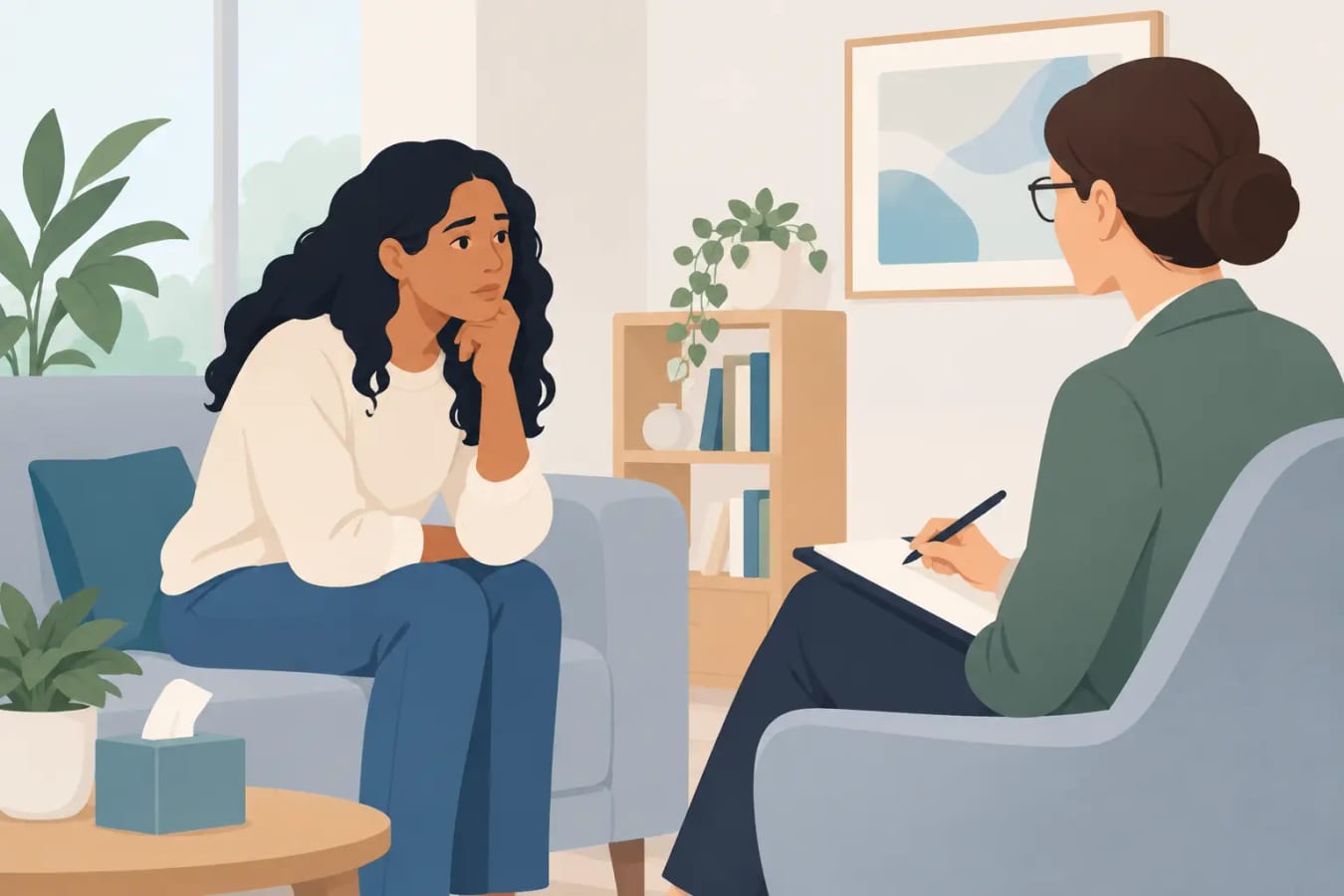
Starting therapy can feel a little like standing at a doorway with your hand on the knob. You may know you need support, but still feel unsure about what will happen once you walk in. If you are wondering how to prepare for therapy, the good news is that you do not need to arrive with the right words, a polished story, or a clear plan for healing. You just need a place to begin.

Many people worry that they will say the wrong thing, get too emotional, or not know how to explain what has been happening. That is common, especially if this is your first time meeting with a therapist. Therapy is not a test, and your first session is not about performing well. It is about creating enough safety and clarity to start telling the truth about what life has felt like lately.
What preparing for therapy really means
When people think about how to prepare for therapy, they sometimes imagine they need to do a lot of emotional homework first. Usually, preparation is much simpler than that. It means taking a little time to notice what is bringing you in, what you hope might change, and what would help you feel more comfortable in the process.
That might include practical details, like confirming the appointment time or filling out intake forms. It might also include emotional preparation, such as giving yourself permission to be nervous. Both matter. If logistics are stressful, they can raise anxiety before you even begin. If your expectations are too rigid, you may leave the first session feeling discouraged when, in reality, things are unfolding normally.
A helpful way to think about it is this: you are not preparing a perfect presentation. You are making room for an honest conversation.
How to prepare for therapy before your first session
It can help to spend a few quiet minutes reflecting before your appointment. You do not need a full life history, but it is useful to notice the concerns that feel most present right now. Maybe you have been anxious for months and cannot turn your mind off. Maybe a relationship feels strained. Maybe you are grieving, burned out, overwhelmed, or simply tired of coping in ways that are no longer working.
If it helps, write down a few notes. You might jot down what has been hardest lately, when you first noticed things changing, and what support you are hoping for. Some people like to bring a short list on their phone or in a notebook so they do not forget key points once nerves kick in.
You can also think about goals, but keep them loose. It is okay if your goal is very clear, like wanting help with panic attacks. It is also okay if your goal is more tentative, like wanting to understand why you feel stuck. Therapy often becomes clearer as the relationship develops.
Questions you might ask yourself
A few simple questions can help you prepare without overthinking:
What feels hardest right now?
What have I been carrying alone?
What do I wish felt different in my daily life, relationships, or inner world?
Have there been recent events, losses, conflicts, or changes that seem connected?
What would help me feel safe enough to open up?
You do not need complete answers. Even partial answers are useful.
It is okay to name your fears
Many people come to therapy with mixed feelings. Part of you may want relief, while another part feels guarded. You may be afraid of being judged, misunderstood, or pressured to talk before you are ready. You may worry that your problems are too small, too messy, or too complicated.
Bringing those fears into the room can actually be a strong start. A good therapist does not expect instant trust. Trust is built over time, and talking honestly about your hesitation is part of that process.
What to bring to therapy
Most first sessions do not require much. Bring any requested paperwork, your insurance information if needed, and a payment method if applicable. If you take medication for mental health or other health concerns, it may help to have a basic list available. If you have had therapy before, you might also think about what was helpful or unhelpful in past counseling experiences.
Beyond that, bring whatever helps you feel grounded. For some people, that means a water bottle, a notebook, or a comforting object they can keep in a pocket or bag. If you are meeting online, choose a space where you have as much privacy as possible and test your device ahead of time. A quiet, stable setup can make it easier to focus on the conversation instead of the technology.
What happens in the first session
One reason people search for how to prepare for therapy is that the unknown feels intimidating. Knowing a little about the first session can ease some of that pressure.
The first appointment is often a mix of getting to know you, understanding what brings you in, and talking through practical matters like confidentiality, scheduling, and goals. Your therapist may ask about your current symptoms, relationships, history, strengths, stressors, and support system. They are not trying to label you as quickly as possible. They are trying to understand you in context.
You also get to notice how the therapist feels to you. Do you feel respected? Do you feel rushed or listened to? Can you imagine being honest with this person, even if it takes time? The first session is not only about being evaluated. It is also about noticing whether the fit feels workable.
That said, not every first session feels relieving right away. Sometimes it feels awkward, emotional, tiring, or surprisingly ordinary. None of that means therapy is failing. Early sessions are often about laying the groundwork.
You do not have to tell everything at once
A common mistake is assuming you need to share your full story immediately. You do not. Therapy is not more effective just because you say the most painful thing in the first hour.
Pacing matters. For some people, it is a relief to talk openly right away. For others, going too fast can feel exposing or destabilizing. It depends on your history, your support system, and how safe the relationship feels. You are allowed to say, “I want to talk about that eventually, but I’m not ready today.”
That kind of honesty is not avoidance by default. Sometimes it is good self-awareness. A thoughtful therapist can help you move toward difficult topics at a pace that is both brave and manageable.
Practical ways to make therapy more useful
The best preparation is not about being impressive. It is about being real. If you tend to minimize your pain, try to speak a little more plainly than usual. If you often say “I’m fine” when you are not, therapy may be a place to practice something more honest.
It can also help to notice patterns between sessions. You do not need to analyze yourself constantly, but paying attention can make your time in therapy more focused. Maybe certain situations spike your anxiety. Maybe arguments with your partner follow the same cycle. Maybe loneliness hits hardest at night. Small observations often lead to meaningful work.
If something about therapy itself is not working, say that too. Maybe you need more structure, more direct feedback, or more time before tackling trauma. Good therapy makes room for those conversations.
If you are doing online therapy
Online therapy can be a strong option when travel, schedule, childcare, health concerns, or comfort make in-person care harder to manage. To prepare well, think beyond logging in on time. Try to create a private setting where you can speak freely and hear clearly. Headphones can help. A parked car, private office, or quiet room may work if home does not offer much privacy.
There are trade-offs. Some people feel more at ease talking from home. Others find it harder to focus or relax if family members are nearby. If telehealth is the best fit for your life right now, that does not make the work less real. What matters most is having a consistent, safe space to show up honestly.
If you are still unsure whether you are ready
Many people start therapy before they feel fully ready. That is normal. Readiness is often less about confidence and more about willingness. You may still have doubts, questions, or fear. You may still wonder whether your pain “counts.” If life has felt persistently heavy, your relationships are strained, or your usual coping strategies are not helping, that is enough reason to reach for support.
At Counseling Group of the Ozarks, we believe therapy works best when people are met with dignity, respect, and genuine care for who they are. You do not need to earn that care by having the right backstory or the right words.
If you are wondering how to prepare for therapy, start here: take one breath, tell yourself the truth about why you are seeking help, and let that be enough for day one. The first step does not need to be perfect to be courageous.